

Fundamental Concepts of AI-Powered Design Approach

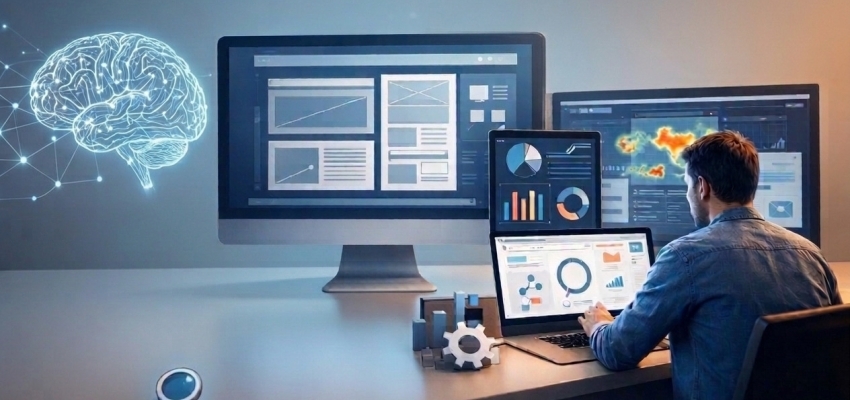
The AI-powered design approach offers a new paradigm in web design processes, focusing on automation, data analysis, and user behavior. Unlike traditional design methods, AI-based systems accelerate design decisions, personalize user experiences, and enable more measurable outcomes. This approach has become a cornerstone for creating both efficiency and sustainable digital experiences in modern web projects.
Automation and Data-Driven Approach in Design Processes
AI emphasizes automation in web design processes by reducing the burden of manual decision-making. Feeding design components with user data enables measurable and repeatable decisions instead of relying on intuitive approaches. This way, design processes become faster and produce more consistent outcomes.
Contributions of AI-Powered Automation to Design Processes:
- Automated layout and content suggestions based on user behavior
- UX decisions supported by heatmaps and interaction data
- Design optimizations based on A/B test results
- Early detection of design errors
The data-driven design approach aims to create an experience focused not only on aesthetics but also on performance. With this approach, websites become digital assets that quickly adapt to user expectations, have measurable conversion rates, and can be continuously improved.
AI-Powered User Experience (UX) Personalization
AI in web design goes beyond automation and data analysis; it is also a powerful tool for personalizing the user experience (UX). AI can monitor user behavior in real time to provide site-specific recommendations and optimize content and layout for each individual. This allows visitors to enjoy a tailored, seamless, and interaction-focused experience.
The most common applications of AI in the UX personalization process include:
- Dynamic Content Recommendations: AI automatically presents content that may interest users by analyzing their previous interactions. This keeps visitors on the site longer and increases conversion rates.
- Adaptive Layout and Design: Page layouts are dynamically optimized based on the user’s device, browser size, and behavior. A consistent experience is ensured across mobile, tablet, and desktop.
- Personalized Navigation and CTAs: AI analyzes user segments and habits to provide the most relevant call-to-action (CTA) and navigation suggestions. This helps users find what they’re looking for faster and complete target actions more easily.
- Behavior-Driven Optimization: AI uses data such as click rates, scrolling behavior, and form-filling patterns to continuously suggest improvements in UX design. Design teams can optimize processes with real data-driven feedback.
AI-powered UX personalization not only enhances the user experience but also provides web design teams with a data-driven and sustainable design approach. As a result, visitors engage more effectively with the site, and businesses can achieve their goals more easily.
Stages of the AI-Powered Design Process
The AI-powered design process is built on specific stages rather than random tool usage. These stages are shaped according to the project’s goals, user expectations, and the data obtained. A well-structured process ensures that artificial intelligence adds real value to design decisions.
The key stages of an AI-powered design process include:
1.Goal and User Analysis
The project’s purpose, target audience, and user behaviors are identified. AI systems analyze existing data at this stage to generate insights for design.
2.Data Collection and Interpretation
User interactions, device types, visit flows, and performance metrics are evaluated. Design decisions become data-driven rather than intuitive.
3.Design and Layout Generation
AI-based tools provide wireframe, color palette, typography, and component suggestions. This stage significantly reduces design time.
4.Testing and Optimization
Design is continuously improved through A/B tests, user feedback, and behavior analysis. AI can automatically determine which variations perform best.
5.Deployment and Continuous Learning
After the design is launched, the system continues learning from new data. As a result, the design evolves dynamically rather than remaining static.
AI-powered design processes aim not only to optimize the initial output but also long-term performance. This approach forms the foundation for sustainable and user-focused digital experiences.
AI-Powered Design and Development Tools
| Tool Category | Use Case | Benefits Provided |
| UI & Visual Design Tools | Layout, color, typography | Shortens design time, ensures consistency |
| Code and Front-End Tools | HTML, CSS, JS generation | Accelerates development process |
| UX & Behavior Analysis Tools | Heatmaps, A/B testing | Optimizes user experience |
| Content and Component Generation | Text and UI components | Automates content creation |
AI-Powered Web Design Tools
AI-powered web design tools automate repetitive tasks in design and development processes, allowing teams to focus on more strategic areas. These tools support various stages, including visual design, code generation, user experience analysis, and content creation, helping web projects be implemented faster and more consistently. Data-driven, these systems analyze user behavior to optimize design decisions and enable the creation of more measurable digital experiences.
Limitations and Risks of Intelligent Design Systems
While intelligent design systems offer significant advantages in web design processes, they also come with certain limitations and risks. AI models largely depend on the quality of the data they are fed, and incorrect or incomplete data can lead to flawed design decisions. Additionally, these systems may be limited in creating original brand identities that require creativity. Excessive automation can standardize design processes and make the user experience monotonous. Therefore, intelligent design solutions should be used not in an uncontrolled manner, but alongside human expertise and strategic oversight.
The Role of Human Creativity in Design Processes
Yapay zekâ destekli sistemler, tasarım süreçlerini hızlandıran ve veriyle güçlendiren araçlar sunsa da yaratıcı vizyonun ve stratejik düşüncenin yerini alamaz. İnsan yaratıcılığı; marka kimliğini yorumlama, duygusal bağ kurma ve bağlama özgü tasarım kararları alma noktasında hâlâ belirleyici unsurdur. En başarılı web tasarım projeleri, yapay zekânın sunduğu otomasyon gücü ile insanın sezgisel ve yaratıcı yaklaşımını bir araya getiren hibrit modeller üzerinden şekillenir. Bu denge, sürdürülebilir ve gerçekten etkili dijital deneyimlerin temelini oluşturur.